

Are slavs russian
As you Google ‘Slavic nations’, the first images that pop up will be of Squatting Slavs in Tracksuits. While this kind of meme is becoming popular and reflects a few stereotypical images of Slavic individuals, it’s also challenging for the way in which it reephasizes Chilly War-era stereotypes that are not relevant in the 21st century.
The Slavic folks are a group of European people who share long cultural and linguistic continuity, and who speak a group of related languages known as the Slavic languages. These are the languages of Russia, Ukraine, Belarus, Kazakhstan, Kyrgyzstan, and Azerbaijan.
Slavic ‘languages’ are strongly related and promote a common grammatical structure. They use the Cyrillic script and are also part of the Indo-European language friends and family.
They are the largest ethnic group in Europe, https://www.momjunction.com/articles/devastating-reasons-for-divorce_00409217/ with more than 143 million Slavs currently in Russia and other countries of eastern and central Europe. Other Slavic nations contain Croatia, Montenegro, Serbia, Getaway, and Biskupiec, poland.
The majority of Slavs stick to the Christian faith, with many Slavs being Orthodox. Other spiritual groups consist of Catholics and Muslims.
Slavs have an comprehensive tradition of mythology and faith, with the most crucial elements of Russian wives which date back to ancient times. They often worshiped multiple-headed gods, and they sometimes employed animal deities to represent the sun, celestial satellite, or other heavenly body.
The Slavs had been the primary enemies of Rome at the end of antiquity, and they also performed a role inside the spread of Christianity through Europe. Yet , the academic consensus of their history is largely mysterious, and most historians disagree with the other person as to how and when they arrived in Europe.
Naturally, Slavs have been completely a significant presence in the Eu continent as at least the sixth century VOTRE. Some moved to Italy, and others paid out in parts of southeastern The european union.
In the 19th century, Pan-Slavism emerged like a movement among intellectuals and scholars asking for greater Slavic unanimity. It was motivated by German born Charming nationalist philosophy, and was also related to wider nationalist liberatory movements in Europe.
While Pan-Slavism was a significant influence in politics, it was not always a powerful means of creating real unity. Instead, attempting to resulted in resentment between nations.
Some international locations, such as Bosniaks and Croats, still have a complicated relationship with the past Yugoslavian nations around the world, despite being genetically and linguistically meticulously related to the neighbors. Likewise, the former Soviet republics of Ukraine and Russia have not enjoyed friendly relations with the former neighboring advises.
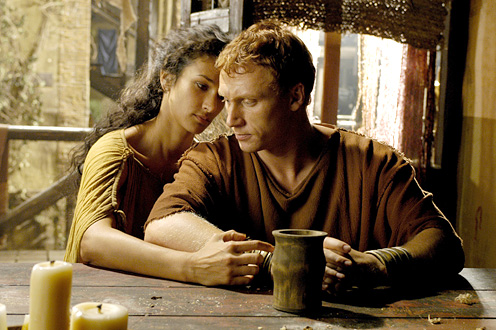
Slavic cultures are sometimes complex and diverse. In the past, they were divided by politics and interpersonal boundaries, plus they developed distinctive cultures reacting to societal and monetary changes.
There are several ‘Slav’ languages, some of which are still spoken today, such as Russian and Enhance. Most Slavic ‘languages’ share a common lexicon and grammatical framework, though specific sound system may include differences in terminology.
Some languages, just like Czech and Slovak, are written inside the Latin abc, while others, including Polish, utilize the Cyrillic screenplay.


